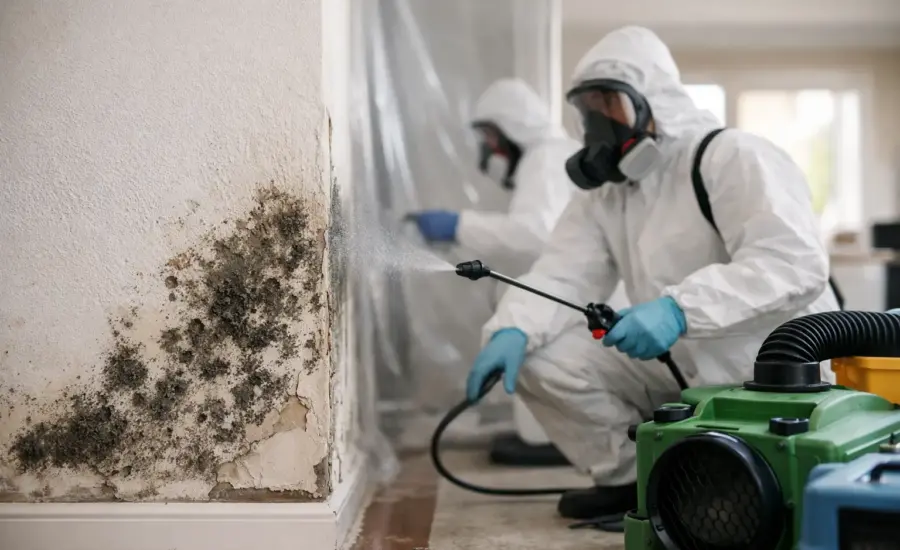
A small patch of mold behind a bathroom sink is not automatically a major restoration project. But ignoring a leak, musty smell, or spreading discoloration can turn a manageable repair into damaged drywall, flooring, and insulation. Is mold remediation necessary in every case? No. The right response depends on the size of the affected area, the material involved, the moisture source, and who uses the property.
For homeowners and property managers, the priority is simple: stop the moisture, assess what can be safely cleaned, and bring in qualified local help when the problem is hidden, extensive, or likely to return.
What Mold Remediation Actually Means
Mold remediation is more than spraying a product on a visible stain. It is the process of finding and correcting the water issue, containing affected areas when needed, removing or cleaning contaminated materials, and drying the space so mold does not continue to grow.
That distinction matters. Mold spores are common indoors and outdoors. The goal is not to create a completely spore-free building, which is unrealistic. The goal is to address abnormal indoor growth and the conditions that support it.
A proper job may be relatively simple, such as cleaning a small hard surface and repairing a dripping pipe. In a larger situation, it can involve isolating a work area, using specialized air filtration, removing wet porous materials, and checking that the area is dry before rebuilding. The scale should match the problem.
When Is Mold Remediation Necessary?
Professional remediation is often the practical choice when mold covers a large area, keeps coming back, appears after a flood or major leak, or may be growing inside walls, ceilings, HVAC components, or crawl spaces. It is also worth calling a professional when the affected material is porous. Drywall, carpet, ceiling tiles, insulation, and particleboard can hold moisture and mold below the surface, making surface cleaning unreliable.
A strong musty odor without an obvious source deserves attention, too. Odor can signal moisture or hidden growth, but it is not proof by itself. A qualified inspector or remediation company can help identify whether the issue is a plumbing leak, roof intrusion, condensation, poor ventilation, or another building condition.
Consider the people using the building. Homes with young children, older adults, or people with asthma, severe allergies, or compromised immune systems call for a more cautious approach. Avoid treating a potentially significant problem as a weekend project if exposure or disruption could create a bigger concern.
For rental properties and commercial spaces, quick action also protects operations. A bathroom leak in an apartment building, office, clinic, or retail space can affect neighboring units and create documentation, scheduling, and tenant communication issues. Early assessment gives owners a clearer repair plan.
When a Small Cleanup May Be Enough
A limited amount of surface mold can sometimes be handled without full remediation. A common example is minor growth on bathroom tile caused by poor ventilation, or a small spot on a nonporous surface after a brief, contained spill. The moisture source still needs to be corrected. Cleaning without improving ventilation or repairing the leak only delays the next round of growth.
Small does not always mean simple. If a stain returns after cleaning, the area feels soft or damp, or the discoloration expands, stop treating it as a cosmetic issue. The problem may be behind the finished surface.
Use care with cleaning products. Do not mix chemicals, and do not rely on fragrance to tell you the problem is gone. Ventilate the area and use appropriate personal protection for the task. If you are unsure whether a material can be cleaned or should be removed, a local mold remediation provider can evaluate the condition before unnecessary demolition begins.
The First Step Is Always Moisture Control
Mold needs moisture to grow. That makes water control the foundation of any lasting solution. Before scheduling cosmetic repairs, identify where the moisture is coming from and make sure it has stopped.
Common sources include plumbing leaks under sinks or behind appliances, roof damage, overflowing gutters, foundation seepage, failed window seals, wet basements, and condensation around ducts or air-conditioning equipment. High indoor humidity can also contribute, particularly in bathrooms, laundry rooms, basements, and poorly ventilated closets.
Drying matters as much as repair. Materials that remain damp can support ongoing growth even after the original leak is fixed. Depending on the situation, drying may require fans, dehumidification, removal of wet materials, or professional equipment. A contractor should be able to explain what they found, what needs to dry or be removed, and why.
What a Reputable Remediation Provider Should Do
The best local providers do not lead with a one-size-fits-all price. They begin with an assessment of the visible damage, likely moisture source, affected materials, and whether the issue may extend beyond the area you can see.
Ask for a written scope of work before work begins. It should state what areas will be addressed, which materials will be cleaned or removed, how the area will be contained, how drying will be handled, and what repairs are outside the remediation scope. Remediation and reconstruction are sometimes handled by the same company, but they are not the same service. Knowing where one ends and the other begins makes estimates easier to compare.
For substantial projects, ask how the provider will protect unaffected rooms and whether they recommend independent post-work verification. The need for testing depends on the project and local circumstances. Testing is not always necessary for a small, obvious cleanup, and a test result alone does not fix moisture damage. Still, independent assessment can be useful after a larger or disputed job.
Be cautious with providers that promise to remove every mold spore, refuse to identify the moisture source, or quote a major demolition project without explaining the evidence. Clear documentation, direct answers, and a practical scope are better signs than alarming language.
Insurance, Documentation, and Timing
Coverage for mold-related damage varies widely by policy and by cause. Sudden water damage from a covered event may be handled differently from a long-term leak, repeated humidity problem, or deferred maintenance issue. Contact your insurer early if there is significant damage, but take reasonable steps to prevent further harm.
Before cleanup, photograph affected areas and save repair invoices, plumbing reports, and contractor estimates. Property managers should also document tenant reports, entry notices, repairs, and follow-up communication. Good records help everyone understand the timeline and can make it easier to coordinate plumbers, roofers, HVAC technicians, remediation crews, and rebuild contractors.
Do not wait for an insurance decision before stopping active water intrusion. A running leak or wet ceiling can cause more damage by the hour. Emergency drying or plumbing work may be necessary to stabilize the property.
Choosing Local Help Without the Guesswork
Mold issues often involve more than one trade. You may need a plumber to repair a supply line, an HVAC technician to address condensation, a roofer to stop water entry, and a remediation company to handle damaged materials. Finding providers by service category and service area helps keep the job organized.
When comparing companies, look beyond the first estimate. Confirm that the provider serves your location, ask about relevant licensing or credentials required in your state, request proof of insurance, and read the scope carefully. A lower quote can be reasonable, but not if it skips moisture correction, containment, drying, or disposal.
Bizbook Directory can help homeowners, property managers, and local decision-makers find nearby service providers by category when a mold problem requires specialized support. Start with the trade that addresses the active cause, then build the repair plan around the actual damage.
A Practical Decision Rule
If the mold is small, visible, on a cleanable surface, and tied to a moisture issue you can fully correct, careful cleanup may be enough. If it is widespread, hidden, recurring, connected to water damage, or located in porous building materials, professional remediation is usually the safer and more cost-conscious decision.
The useful question is not whether every dark spot requires a major project. It is whether you can confidently stop the moisture and restore the affected area without leaving hidden damage behind. Address that question early, and you give your home or property the best chance of a straightforward repair.