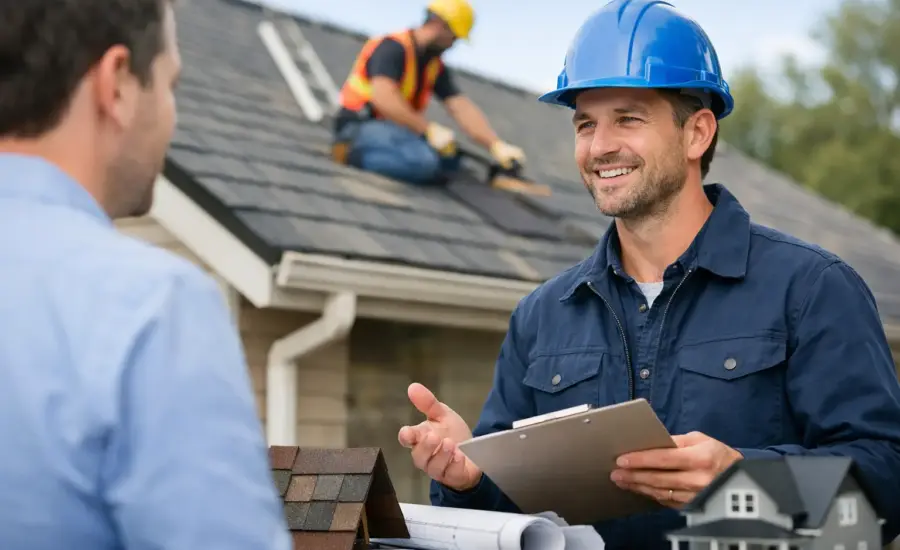
A roof problem rarely arrives at a convenient time. A ceiling stain after heavy rain, missing shingles after wind, or an aging roof nearing the end of its life can put homeowners under pressure to hire fast. Knowing how to choose a roofing contractor before signing anything helps you protect your home, your budget, and your peace of mind.
The right contractor is not always the first company that calls back or the one with the lowest price. Look for a local business that can explain the work clearly, document its qualifications, and stand behind the finished roof.
Start With Local, Relevant Roofing Companies
Roofing is local work. A contractor should understand the weather, building practices, permits, and material needs in your area. In Spokane and other parts of the Pacific Northwest, for example, roof systems need to manage rain, snow, wind, moss, and seasonal temperature changes. A company that regularly works in your community is more likely to understand those conditions.
Start by searching for roofing contractors that serve your city or ZIP code. A category-based local directory can make this easier by narrowing the results to nearby roofing providers instead of showing businesses that may be hours away or no longer active.
Ask neighbors, property managers, friends, or local businesses who they have used. A recommendation is helpful, but it should be the beginning of your research, not the final decision. Even a contractor who did great work for someone else may not be the best fit for your roof type, timeline, or budget.
Confirm Licensing, Insurance, and Business Details
Before discussing colors or shingle brands, verify that the company is legitimate and prepared to work on your property. Requirements vary by state and municipality, but a dependable contractor should be willing to provide their business details without hesitation.
Ask for proof of the following:
- A current contractor license or registration, when required in your area
- General liability insurance
- Workers’ compensation coverage for employees
- A physical business address and working local phone number
Insurance matters more than many homeowners realize. If a worker is injured or property is damaged during the job, proper coverage helps protect both the contractor and the customer. Do not assume that a company is insured because it has a professional-looking truck, website, or social media page.
Also confirm who will perform the work. Some roofing companies use their own crews, while others subcontract all or part of the job. Subcontracting is not automatically a problem, but you should know who is responsible for supervision, insurance, workmanship, and cleanup.
Check Experience With Your Specific Roof
Not every roofer handles every roofing system equally well. Asphalt shingles are common, but metal, tile, slate, flat roofing, cedar, and low-slope systems require different installation knowledge. A contractor who mainly replaces standard shingle roofs may not be the right choice for a commercial flat roof or a home with specialized materials.
Ask how often the company installs your roof type and whether it has completed similar projects recently. If your roof has skylights, solar panels, chimneys, complex valleys, or ventilation issues, ask how those details will be handled. Those areas often determine whether a roof performs well over time.
Get More Than One Written Estimate
For a full roof replacement, compare at least three written estimates when time allows. The goal is not to create a bidding war. It is to understand what each contractor believes your roof needs and whether the proposed scope of work is complete.
A useful estimate should identify the roofing material, underlayment, flashing, ventilation work, tear-off or overlay plan, disposal, labor, permit responsibility, and expected schedule. It should also state what happens if the crew finds damaged decking or other hidden issues after removing the old roof.
Do not compare estimates by the total alone. A lower quote may leave out key work, use a lower-grade material, assume only one layer of old roofing, or exclude repairs that another contractor included. A higher quote may reflect better materials, more complete flashing work, or a stronger labor warranty. Ask each company to explain the difference in plain language.
Be cautious when one price is dramatically lower than every other estimate. It could be a genuine bargain, but it can also signal rushed work, missing insurance, poor-quality materials, or a contractor who plans to add charges later.
Ask Direct Questions About Materials and Installation
A roofing estimate is easier to evaluate when you know what will actually go on your home. Ask for the exact manufacturer, product line, color, and warranty coverage. “Architectural shingles” is not enough detail if there are major differences among brands and product grades.
Talk through the full roofing system, not just the visible shingles. Underlayment, ice and water protection, flashing, ventilation, pipe boots, ridge caps, and drip edge all play a role in keeping water out. A contractor who takes time to explain these components is showing you how they approach the job.
Ask whether the proposed ventilation is adequate for your attic and roof design. Poor ventilation can contribute to heat buildup, moisture problems, shortened shingle life, and ice damming in cold weather. The answer may depend on the home, so be wary of anyone promising the same solution for every roof without inspecting yours.
Read Reviews With a Practical Eye
Online reviews can reveal patterns, especially when you read more than the star rating. Look for comments about punctuality, communication, cleanup, estimate accuracy, warranty response, and how the company handled a problem.
A few negative reviews do not automatically disqualify a contractor. Roofing projects can be disruptive, and misunderstandings happen. What matters is whether complaints show a repeated issue, such as missed appointments, surprise charges, unfinished work, or failure to respond after payment.
Pay attention to the company’s responses as well. A professional response should be calm, specific, and focused on resolving the concern. Defensive or hostile replies can tell you how the business may react if your project hits a snag.
Understand Warranties Before You Need One
Roofing warranties generally fall into two categories: the manufacturer warranty for materials and the contractor’s workmanship warranty for installation. They are not the same thing.
A manufacturer may cover defective shingles, but it may not cover problems caused by improper installation. The contractor’s workmanship warranty addresses the labor side, though its terms can vary widely. Ask how long the workmanship warranty lasts, what it covers, how to submit a claim, and whether it is provided in writing.
Do not choose a contractor based on the longest warranty statement alone. A 20-year workmanship promise is only useful if the business remains reachable and honors its commitments. A stable local reputation, clear paperwork, and responsive communication often matter as much as the number of years listed.
Watch for Pressure Tactics and Other Red Flags
Storm damage can attract legitimate roofing companies, but it can also attract high-pressure sales tactics. Be careful with anyone who appears uninvited, insists you must sign immediately, or says they can start today only if you make a quick decision.
Other warning signs include requests for full payment upfront, refusal to provide insurance documentation, vague estimates, cash-only demands, and promises to handle your insurance claim without your involvement. A contractor can help document damage and provide estimates, but you should remain in control of your insurance decisions and paperwork.
Avoid signing a contract with blank spaces or unclear terms. Review the payment schedule, cancellation terms, materials, scope, warranty, and cleanup plan before work begins. For most projects, a reasonable deposit and progress-based payments are safer than paying the entire amount before materials arrive or labor starts.
Choose Communication You Can Rely On
A roof replacement is noisy, messy, and highly visible. You should know who your main contact is, when the crew will arrive, how long the work may take, and how the property will be protected. Ask about landscaping, driveways, outdoor furniture, pets, and nail cleanup.
Good communication is not a bonus feature. It is part of dependable service. If a company is difficult to reach before you hire them, that problem rarely improves after you have signed a contract and paid a deposit.
The best roofing contractor for your property is the one who combines local experience, clear documentation, a complete estimate, and respectful communication. Take the extra day to verify the details. A roof is one of the largest protective systems on your home, and the right local professional should make the decision feel clear rather than rushed.