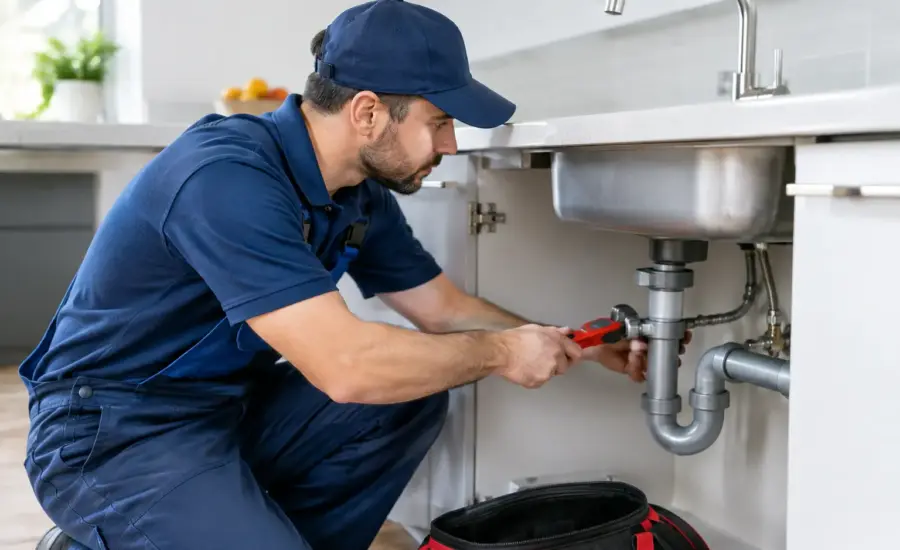
Water coming through a ceiling, a toilet overflowing onto the floor, or a sewer backup in a tenant space is not the time to sort through vague listings. Knowing how to find emergency plumbers quickly helps you limit damage, protect the property, and get a clear answer about who can actually arrive after hours.
The goal is not simply to find the first phone number that appears in a search. You need a nearby plumber who handles your specific problem, answers emergency calls, communicates clearly, and can provide a realistic arrival window. A few focused checks can save hours of waiting and prevent an expensive mistake.
Start by Limiting the Immediate Damage
Before calling anyone, take the safest action you can. Shut off the water at the fixture if the leak is isolated to a toilet, sink, appliance, or supply line. If water is spreading quickly and you cannot identify the source, turn off the home or building’s main water valve. Most are located near the water meter, in a basement, utility room, garage, crawl space, or outside wall.
Do not touch standing water near electrical outlets, appliances, or panels. If a leak is near electricity, leave the area and call an electrician or emergency services if there is an immediate safety risk. For a sewage backup, keep people and pets away from the affected area. Sewage can carry contaminants that require professional cleanup as well as plumbing repair.
Take a few photos or a short video after you have addressed safety. This gives the plumber a better idea of the situation and may also help with insurance documentation. Then start your search with the details that matter: your location, the type of problem, and whether water has been shut off.
How to Find Emergency Plumbers in Your Area
Search by service and location, not just by a broad phrase such as “plumber near me.” Use terms that describe the issue: “24-hour plumber,” “burst pipe repair,” “sewer line backup,” “emergency drain cleaning,” or “water heater leak,” followed by your city or ZIP code. This reduces the chance of reaching a company that only handles scheduled installations or serves a different area.
A local business directory can make this faster because you can browse plumbing providers by category and location instead of sifting through unrelated results. On Bizbook Directory, for example, users can look for nearby service businesses in a practical category structure. Whether you use a directory, map results, or referrals from a property manager, confirm that the business serves your address before spending time on a call.
Availability matters more than a polished website during a plumbing emergency. Call two or three local companies if possible. A business may advertise 24-hour service but have no technician available in your area that night. The right provider will tell you directly whether they can take the job, when they expect to arrive, and what you should do while waiting.
Ask the Questions That Prevent Surprises
You do not need a long interview when water is leaking, but a short conversation can reveal a lot. Explain what happened, when it started, whether the water is clean or sewage-related, and what you have already shut off. Then ask whether the plumber is licensed and insured, whether the person arriving is an employee or subcontractor, and whether they have experience with the specific issue.
Ask for the emergency service-call fee and how the company bills after-hours work. Some companies charge a flat dispatch fee plus labor and materials. Others use a higher hourly rate at night, on weekends, or during holidays. Neither approach is automatically a problem, but the company should explain it before dispatching a technician.
It is also reasonable to ask whether the technician can diagnose and complete the repair on the first visit. A major sewer line issue, hidden slab leak, or damaged water main may require specialized equipment, permits, or follow-up work. For a burst supply line or failed shutoff valve, the repair may be more straightforward. Clear expectations are better than a promise that every emergency will be fixed immediately.
Check for Local Credentials and Real Service Signals
In many parts of the United States, plumbers need state or local licensing for work beyond minor repairs. Requirements vary, so look for a license number on the company’s listing, vehicle, estimate, or invoice, then verify it with the appropriate state or local licensing authority if time allows. Insurance matters too, especially for property managers and commercial buyers who may need a certificate of insurance before work begins.
Reviews can be useful, but read them with a specific purpose. Look for recent comments about response times, communication, cleanliness, pricing explanations, and completed repairs. A handful of detailed, recent reviews is often more useful than a large rating with no context. Pay attention to how the business responds when a customer reports a problem.
Be cautious with providers that will not give a business name, cannot describe their pricing structure, demand full payment before arrival, or insist on a major replacement without inspecting the issue. Emergency work costs more than planned maintenance, but urgency should not remove basic transparency.
Choose the Fastest Safe Option, Not Always the Cheapest
When a pipe is actively leaking, the lowest quote may not be the best choice if that company cannot arrive until the next day. A plumber who can stop the damage within an hour may save far more in flooring, drywall, inventory, or lost business operations. On the other hand, if you have shut off the water and there is no active leak or sanitation risk, you may have time to compare estimates or schedule a daytime repair.
For homeowners, the decision often comes down to damage control versus after-hours cost. For property managers, it may also involve tenant safety, lease obligations, access coordination, and documentation. Commercial facilities need to consider whether a plumbing failure affects restrooms, food service, fire safety systems, or customer access. Tell the plumber if the site is a rental, office, retail space, restaurant, or multi-unit building so they can prepare appropriately.
If your insurer requires you to use a preferred vendor, call the insurer or review your policy after taking immediate steps to prevent further damage. Do not delay necessary emergency work simply to wait for an insurance answer when water is actively damaging the property. Keep all invoices, photos, estimates, and notes about when the issue began.
Prepare for the Technician’s Arrival
Clear a path to the affected fixture, water heater, cleanout, or main shutoff valve. Move valuables, rugs, and small furniture away from wet areas if it is safe to do so. If the problem is in a rental property, make sure the authorized tenant, manager, or maintenance contact is available to provide access and approve work.
When the plumber arrives, ask for a written estimate before non-emergency upgrades or larger replacement work begins. For the immediate repair, make sure you understand what is being done to stop the problem, what may need follow-up, and whether there are any usage restrictions afterward. A good emergency plumber will explain the repair in plain language without making you guess what comes next.
Reduce the Chances of the Next After-Hours Call
Many plumbing emergencies start as smaller warning signs: a slow drain that repeatedly backs up, a toilet that rocks at the base, corrosion around a water heater, low water pressure, or a shutoff valve that will not turn. Put the main water shutoff location in your phone, test accessible fixture valves periodically, and keep the contact details for a qualified local plumber before you need one.
The best time to compare local plumbing providers is when the floor is dry and the building is calm. A little preparation gives you a dependable number to call when a real emergency cannot wait.