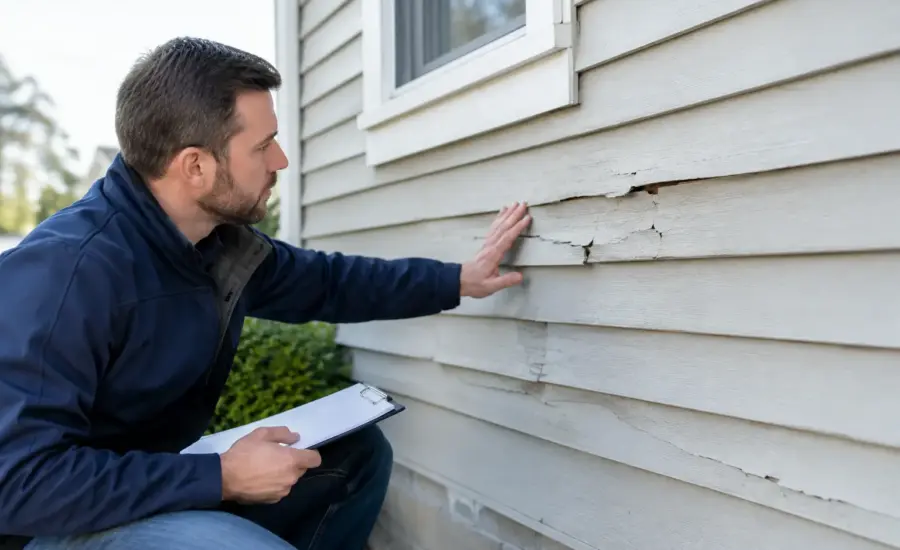
A loose siding panel after a storm is easy to notice. The harder problems often sit behind the surface: trapped moisture, soft wall sheathing, failing insulation, or repeated repairs that no longer hold. Knowing when to replace siding helps homeowners and property managers act before a cosmetic issue becomes a larger exterior repair.
Siding is more than a finishing material. It helps protect framing, insulation, and interior spaces from rain, wind, pests, and temperature swings. A few damaged boards or panels may be repairable. Widespread wear, however, can mean the system is no longer doing its job.
When to Replace Siding Instead of Repairing It
Replacement is usually the better choice when damage affects a broad area, moisture may have reached the wall structure, or repairs keep returning. The age of the siding matters, but condition matters more. Some well-maintained materials can last decades, while siding exposed to severe weather, poor drainage, or installation problems may fail much sooner.
A qualified local siding contractor can inspect the visible exterior and look for clues around windows, trim, gutters, and lower wall sections. They can also help separate a siding problem from a roofing, flashing, foundation, or drainage issue. That distinction matters because new siding will not solve water intrusion caused by a leaking roof or improperly directed downspout.
8 Signs Your Siding May Need Replacement
1. Cracks, splits, holes, or missing sections are spreading
One small crack in vinyl or a single damaged wood board may be a straightforward repair. Replacement becomes more practical when cracks appear across several elevations, panels are becoming brittle, or wind repeatedly pulls pieces loose. Open gaps give water and insects a direct path behind the siding.
Look closely near corners, windows, doors, utility penetrations, and the bottom edge of exterior walls. These areas often show failure first because they receive more movement, impact, or moisture.
2. The siding feels soft, warped, or loose
Wood siding that feels soft when gently pressed can indicate rot. Buckling, warping, or wavy sections may point to moisture exposure, heat damage, or installation issues. Fiber cement can crack, and vinyl can warp or become brittle over time, especially after years of sun exposure or impact.
Not every warped panel requires a full replacement. But if the problem appears in multiple places, the material behind the siding should be evaluated. Covering a soft or uneven wall with new material without addressing the cause can create the same problem again.
3. Paint fails far sooner than it should
Wood siding needs periodic painting or staining, but peeling paint shortly after a proper paint job is a warning sign. It can mean moisture is pushing through the boards, the surface is deteriorating, or the siding no longer holds a coating well.
Fading alone is usually cosmetic. Heavy chalking, flaking, and recurring peeling are different. If maintenance has become frequent and expensive, compare the cost of another paint project with replacement options that better fit the property’s needs.
4. You find rot, mold, or water stains
Rot on exterior trim, dark staining around seams, or mold-like growth should be taken seriously. These signs do not automatically mean every wall needs new siding, but they do call for a closer inspection. Moisture can travel behind siding, so the visible stain may not show the full affected area.
Inside the property, watch for stains on walls, musty odors, peeling interior paint, or damp spots near exterior-facing rooms. Those symptoms can have several causes, including plumbing or roof leaks, but damaged siding and flashing belong on the inspection list.
5. Pest activity keeps returning
Insects and small animals look for openings around damaged siding, soffits, trim, and vents. Woodpecker holes, wasp nests in wall gaps, carpenter ant activity, or signs of rodents entering the exterior are worth addressing promptly.
Pest control can remove an active problem, but it will not repair the opening that allowed access. If the siding has widespread gaps, rot, or loose pieces, replacement may provide a more durable fix than patching one entry point at a time.
6. Energy bills rise without another clear cause
Siding is not insulation by itself, yet damaged siding can contribute to drafts and moisture problems that affect comfort. If rooms near exterior walls feel colder in winter or hotter in summer, check for gaps around siding, trim, windows, and penetrations.
Higher utility bills do not prove that siding is failing. HVAC performance, attic insulation, windows, and air leaks are also common factors. Still, replacement is an opportunity to repair wall damage and discuss housewrap, flashing, insulation, and air-sealing details with the contractor.
7. Repaired areas no longer match or hold up
A few repairs are normal over the life of any exterior. The decision changes when replacement panels cannot be matched, patched areas look uneven, or the same sections need attention year after year. Discontinued colors and profiles can make an otherwise sound repair look noticeably pieced together.
For rental properties, office buildings, and homes being prepared for sale, appearance can be a practical factor. A consistent exterior can support curb appeal and simplify ongoing maintenance, provided the replacement work also addresses the underlying condition of the walls.
8. The siding is near the end of its service life
Material type, climate, installation quality, and maintenance all affect lifespan. Wood may need significant attention earlier if it has been exposed to moisture. Vinyl can last a long time but may become brittle or fade. Fiber cement is durable, though it still depends on correct installation, caulking, and paint maintenance.
Age alone is not a reason to replace siding that remains secure and weather-tight. It is, however, a good reason to schedule an assessment before a minor issue becomes urgent. Planning replacement on your timeline gives you more time to compare materials, quotes, and contractor availability.
Repair or Replacement: How to Make the Call
Start with the scope of the damage. A small, isolated issue with no sign of moisture behind the siding often favors repair. Replacement is more likely to make financial sense when problems are widespread, hidden damage is suspected, or the cost of repeated repairs is adding up.
Ask each contractor to explain what they see and what they recommend in writing. A useful estimate should distinguish between siding replacement and related work, such as replacing rotten sheathing, repairing trim, improving flashing, or correcting gutter drainage. This makes quotes easier to compare and helps prevent surprises after work begins.
Material choice involves trade-offs. Vinyl is often a lower-maintenance, budget-conscious option, but color choices and impact resistance vary by product. Fiber cement offers a durable, substantial look and can perform well in many climates, though installation is more labor-intensive. Engineered wood can provide a wood-like appearance with added durability, while natural wood offers character but requires consistent maintenance.
The lowest estimate is not always the best value. Confirm that the scope includes removal and disposal of old siding, protection for landscaping, necessary wall repairs, flashing details, cleanup, and warranty information. For a larger project, request references for recent local work and verify that the provider is properly insured for the job.
Plan the Project Before Damage Gets Worse
Timing can affect both cost and convenience. Contractors often have busy seasons, and emergency repairs after a storm can limit material and scheduling choices. If your siding is still intact but showing clear decline, an inspection now can help you build a realistic plan before water reaches the wall system.
Take photos of problem areas, note when they first appeared, and keep records of prior repairs. This information helps contractors identify patterns and gives property managers a clearer maintenance history across multiple buildings.
The right next step is not always a full replacement. Sometimes it is a targeted repair, a drainage correction, or a professional inspection that confirms the siding still has years left. But when the warning signs are widespread, acting early protects more than the exterior finish – it protects the structure behind it. Use a local service directory such as Bizbook Directory to compare nearby siding professionals and find a provider that understands your property and area.