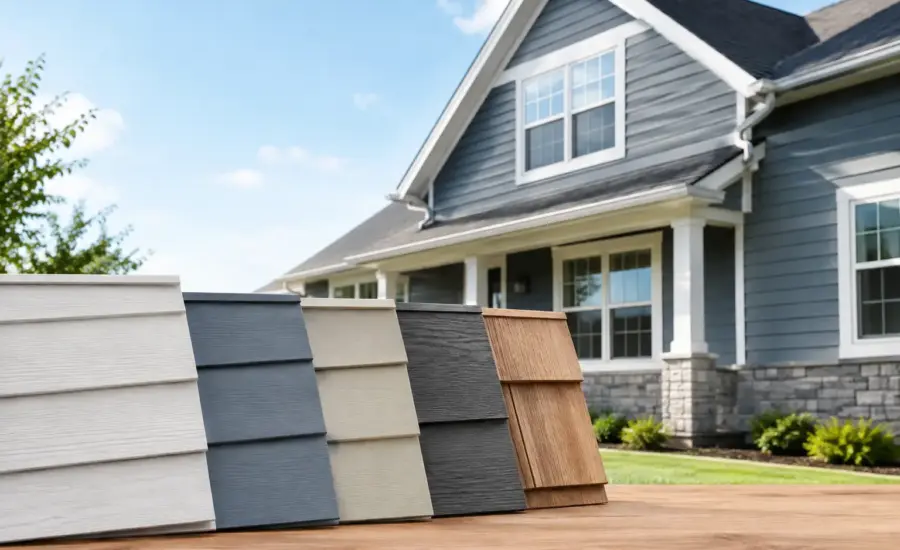
A siding project is more than a color decision. The best siding options need to handle your local weather, fit your maintenance expectations, protect the structure underneath, and make sense for your budget. A material that looks great on a neighboring home may be a poor fit if it struggles with your climate, requires more upkeep than you want to handle, or pushes your project cost too high.
For homeowners and property managers, the goal is not to find one universal winner. It is to compare the real trade-offs before requesting estimates from qualified local siding contractors.
How to Compare the Best Siding Options
Start with the conditions around the property. Homes in hot, sunny areas need materials that resist fading and heat. Locations with frequent rain, snow, or humidity require careful attention to moisture management. In coastal areas, salt air and wind exposure can change the equation. The home’s style, neighborhood standards, and resale plans matter, too.
Material cost is only part of the total. A low upfront price can become less attractive if the siding needs regular painting, frequent repairs, or early replacement. On the other hand, a higher-priced product may be worthwhile when it offers a long service life and lower maintenance.
Ask contractors to separate material, labor, removal of existing siding, trim, insulation, repairs to damaged sheathing, and disposal in their estimates. This makes it easier to compare proposals fairly. It also helps prevent a low initial quote from growing once the work begins.
Vinyl Siding: Budget-Friendly and Low Maintenance
Vinyl remains a common choice because it is generally one of the most affordable siding materials and does not require painting. It comes in many colors, profiles, and textures, including options designed to resemble wood clapboard or shakes. Routine care is simple: a gentle wash can remove dirt, mildew, and pollen.
The trade-off is that vinyl can crack in very cold conditions, warp when installed too close to high heat, and fade over time in intense sun. Lower-grade panels may look thin or uneven, especially on large walls. Better-quality, insulated vinyl is more durable and can improve the finished appearance, but it raises the project price.
Vinyl is often a practical choice for rental properties, budget-conscious exterior updates, and homeowners who want minimal upkeep. It is less ideal when historic accuracy, premium architectural detail, or the ability to repaint are priorities.
Fiber Cement: Durable, Versatile, and Heavier
Fiber cement siding is made from a blend of cement, sand, and cellulose fibers. It is valued for its resistance to fire, insects, rot, and harsh weather. It can be manufactured as lap siding, panels, shingles, and trim, giving homeowners flexibility across traditional, farmhouse, craftsman, and more contemporary designs.
It costs more than basic vinyl and requires experienced installation. Fiber cement is heavy, cuts differently than wood, and needs correct clearances and flashing details to perform as intended. It is usually painted or factory-finished, and painted surfaces will eventually need repainting.
For homeowners who want a substantial look with strong durability, fiber cement is often one of the best siding options. It can be especially appealing in regions with varied weather or higher wildfire concerns, although local building requirements and insurance considerations should always be confirmed.
Engineered Wood: A Wood Look With Less Upkeep
Engineered wood siding uses treated wood strands and resins pressed into boards or panels. It offers the warm look and workability of wood while aiming to provide better resistance to moisture and pests. Many products are available prefinished, which can reduce painting work at the start of the project.
This option typically sits between vinyl and fiber cement in price, though costs vary by product and installation details. It is lighter than fiber cement and can be quicker for contractors to install. Still, it is not maintenance-free. Damaged coatings, exposed cut edges, and failed caulking should be addressed promptly to limit moisture intrusion.
Engineered wood can suit homeowners who prefer the character of painted wood siding but want a more predictable maintenance schedule. Product warranties, installation instructions, and local contractor experience are particularly important here.
Natural Wood: Classic Character, Ongoing Care
Wood siding has a look that manufactured materials can imitate but rarely duplicate completely. Cedar, redwood, pine, and other wood products can be installed as clapboards, shingles, board-and-batten, or vertical panels. It is a strong design choice for older homes, cottages, and properties where authentic material character matters.
The maintenance commitment is the main consideration. Wood needs regular inspection, sealing, staining, or painting. Insects, moisture, peeling paint, and sun exposure can cause problems if repairs are delayed. Its cost can also range widely based on wood species, grade, finish, and local availability.
Natural wood makes sense for owners willing to maintain it and for projects where architectural authenticity carries real value. If you want the appearance without the same level of upkeep, engineered wood or fiber cement may be a better fit.
Metal Siding: Modern and Tough
Steel and aluminum siding are durable options with a clean, modern appearance. Metal is noncombustible, resistant to insects, and can perform well in wet conditions when correctly installed. It is often used for contemporary homes, cabins, barns, commercial properties, and accent walls.
Metal can dent from hail or impact, and poor installation can lead to oil-canning, a visible waviness in flat panels. Aluminum may be more vulnerable to dents, while steel requires protective coatings to guard against corrosion. The finished look depends heavily on panel quality, trim work, and installer precision.
For a property with a modern design or a need for low-maintenance cladding, metal is worth discussing with a local exterior contractor. It may not match every neighborhood style, but it offers long-term performance in the right application.
Brick and Stone Veneer as Siding Alternatives
Brick and stone veneer are often used on a portion of a home’s exterior rather than every wall. They add texture, perceived value, and a durable finish that requires relatively little routine maintenance. Manufactured stone veneer can provide a similar appearance at a lower weight and cost than full-depth stone.
These materials are usually among the more expensive exterior choices because installation is labor-intensive. Proper water management behind the veneer is essential. A beautiful masonry finish cannot compensate for missing flashing, drainage space, or structural repairs beneath it.
Using veneer as an accent with vinyl, fiber cement, or engineered wood can create a balanced look while keeping the full project within budget.
Do Not Skip the Details Behind the Siding
New siding is a good opportunity to address problems that are otherwise hidden. Contractors may find damaged sheathing, missing housewrap, poor flashing around windows, or gaps where pests and water can enter. These repairs can add cost, but they are often necessary to protect the investment.
Consider whether the project should include exterior insulation, upgraded weather barriers, soffit and fascia repairs, gutters, or new trim. Not every home needs all of these items. Still, doing connected exterior work at the same time can reduce duplicate labor and create a more finished result.
Color also deserves practical thought. Dark colors can absorb more heat, while very light colors can show dirt in some environments. Request full-size samples when possible and view them outdoors at different times of day. A small color chip rarely tells the whole story.
Choosing the Right Local Siding Contractor
Even premium siding can fail when it is installed poorly. Look for a contractor who is licensed and insured where required, can explain the recommended material for your home, and provides a clear written scope of work. Ask how the crew handles moisture barriers, flashing, ventilation, damaged wood, and cleanup.
Get more than one detailed estimate, but do not choose solely on the lowest number. A quote that leaves out trim, repairs, permits, or warranty information is not truly comparable. Review recent local projects and ask who will perform the installation, how long the work should take, and what happens if weather delays the schedule.
When you are ready to compare providers, a location-based directory such as Bizbook Directory can help you narrow the search to siding and exterior contractors serving your area.
The right siding choice should feel practical long after installation day. Choose a material you can afford to maintain, a finish that suits the home, and a contractor willing to explain every layer of the work before the first panel comes off.