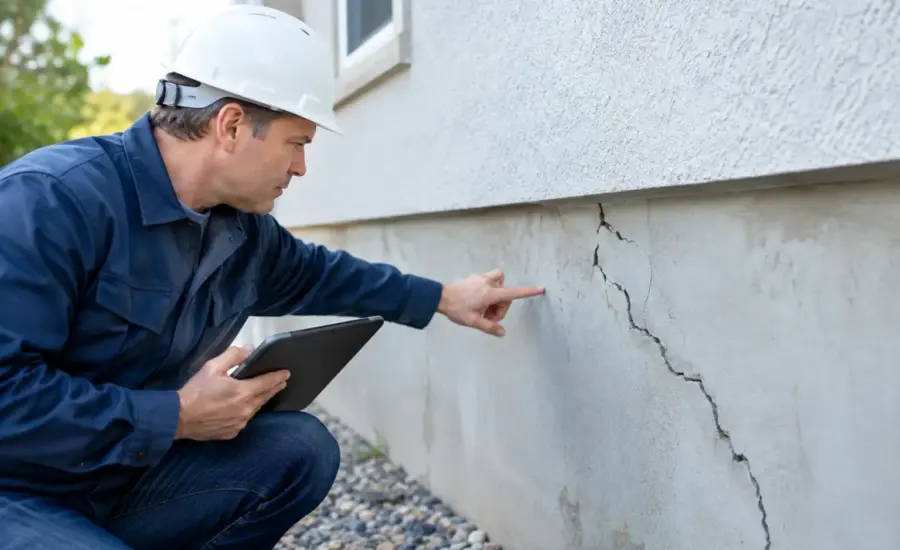
A hairline crack near a basement window may be a normal sign of concrete curing. A wide, growing crack that lets in water is a different situation. If you are asking who repairs foundation cracks, the right answer is usually a foundation repair contractor – but the type of crack, its location, and the reason it formed determine whether you also need a structural engineer, waterproofing specialist, or drainage contractor.
The goal is not simply to fill a visible line in the wall. A dependable repair should address the cause of movement or moisture so the problem does not return after the patch dries.
Who repairs foundation cracks?
Most foundation crack repairs are handled by contractors who specialize in foundation repair, structural concrete work, or basement waterproofing. These providers commonly inspect cracks in poured-concrete walls, concrete block foundations, slab foundations, crawl spaces, and retaining walls. They may use epoxy or polyurethane injection, carbon-fiber reinforcement, wall anchors, piers, drainage systems, or exterior waterproofing, depending on the diagnosis.
A general contractor can be helpful for related work, such as replacing drywall, repairing flooring, or coordinating a renovation after structural repairs are complete. However, a general contractor is not always the best first call for a suspected foundation issue. Look for a provider that regularly evaluates foundation movement and can explain why a specific repair is appropriate.
For cracks that may involve significant structural movement, an independent structural engineer can add useful perspective. Engineers inspect the home, identify likely causes, and may provide a written report or repair specifications. This is especially valuable when cracks are substantial, multiple walls are affected, a home is being bought or sold, or contractor recommendations differ.
Start by identifying the type of crack
Not every crack needs the same response. Before contacting a local pro, take clear photos, note the crack’s width and direction, and look for signs that it has changed over time. Those details help a contractor understand the issue before arriving and help you compare estimates more clearly.
Hairline vertical cracks in a poured-concrete basement wall are common. If they are dry and stable, a contractor may recommend monitoring them or sealing them to prevent water entry. Vertical cracks can also result from settlement, so they deserve attention if they widen, recur after repair, or appear alongside sticking doors and uneven floors.
Horizontal cracks are more concerning. Soil pressure, poor drainage, or freeze-thaw conditions can push against below-grade walls and cause bowing or cracking. A foundation repair specialist should inspect horizontal cracks promptly, particularly when the wall curves inward or cracks appear near the middle of the wall.
Diagonal stair-step cracks in concrete block or brick can point to settlement or shifting. Cracks in a slab may be less visible but can show up as separated baseboards, cracked tile, sloping floors, or gaps around exterior doors. A professional inspection helps distinguish cosmetic surface cracking from structural movement.
When to call a foundation repair contractor right away
Some conditions should not wait for the next home maintenance project. Contact a qualified foundation repair contractor soon if you notice a crack wider than about one-quarter inch, a crack that is growing, wall bowing, crumbling concrete, persistent leaks, or standing water in a crawl space or basement.
You should also act quickly when foundation cracks appear with other changes in the home. Doors and windows that suddenly stick, new gaps at trim or cabinets, visibly sloped floors, or cracks above doorways can indicate movement affecting more than one area. These signs do not automatically mean the home is unsafe, but they do call for a professional assessment.
After heavy rain, look closely at water patterns around the property. Water that pools beside the foundation, downspouts that empty too close to the house, and soil that slopes toward exterior walls can worsen cracks and leaks. In some cases, correcting drainage is as necessary as repairing the wall itself.
What a qualified contractor should evaluate
A useful inspection goes beyond measuring the crack. The contractor should consider the age and construction of the home, soil and drainage conditions, gutter and downspout discharge, grading, wall movement, and signs of moisture inside and outside the structure. They should explain whether the crack is mainly a water-entry problem, a movement problem, or both.
Ask what repair they recommend and why. Epoxy injection can bond certain structural cracks in poured concrete. Polyurethane injection is often used when flexibility and water sealing are the priority. Carbon-fiber straps, steel wall supports, wall anchors, and helical or push piers may be recommended when there is ongoing movement or a wall needs stabilization.
There is no one-size-fits-all fix. A low-cost crack seal may stop a small leak, while a larger problem may require drainage improvements and structural reinforcement. Be cautious if a provider recommends a major system without inspecting the full area or cannot explain what conditions make that system necessary.
Should you hire a structural engineer first?
It depends on the risk and the clarity of the problem. For a single small, dry crack with no other symptoms, a reputable foundation repair company may be able to diagnose and repair it directly. For a wide crack, visible movement, a complicated property, or a high-cost repair proposal, an independent structural engineer can be worth the added expense.
An engineer is not usually the crew performing the repair. Their role is evaluation and design. Because an independent engineer does not profit from selling a particular repair system, their report can help homeowners and property managers make an informed choice and compare contractor bids on the same scope of work.
This step can also be helpful during a real estate transaction. A written assessment may clarify whether a crack is old and stable, actively moving, or simply allowing moisture through the wall. That can reduce uncertainty for buyers, sellers, lenders, and insurers.
How to compare local foundation repair providers
Foundation work can be expensive and disruptive, so compare more than the final price. Start with providers that serve your specific city or service area and work on the same foundation type as your property. Local experience matters because soil conditions, seasonal moisture, building practices, and permitting requirements can vary widely.
Ask each provider whether they are licensed where required, insured, and experienced with your repair method. Request a written scope that states what will be repaired, what materials will be used, whether drainage or excavation is included, how landscaping or finishes will be handled, and what warranty applies. A warranty is useful only when you understand what it covers and whether it transfers to a future owner.
It is also reasonable to ask whether the quote addresses the cause of the crack. For example, if downspouts discharge beside the home, a wall injection alone may not manage the water that created the problem. If a wall is bowing, waterproofing alone may not stabilize it.
When comparing estimates, make sure the proposals solve the same problem. One contractor may quote a simple interior seal, while another may include structural reinforcement and drainage correction. The lower estimate is not necessarily a better value if it leaves the underlying issue untouched.
Avoid quick fixes that hide the problem
Caulk, hydraulic cement, and paint can be appropriate for minor cosmetic cracks or temporary moisture control, but they are not substitutes for diagnosis. Covering a crack before documenting it can also make it harder to tell whether movement continues.
Be careful with DIY repairs when cracks are wide, wet, horizontal, or paired with wall movement. These conditions may require specialized equipment and an experienced assessment. If the problem appears minor, ask a professional whether monitoring is reasonable and what changes should prompt a repair.
For property managers, documenting photos, tenant reports, dates, and water events creates a clearer maintenance record. Prompt action on leaks can protect finished spaces, reduce mold risk, and prevent a smaller repair from becoming a larger restoration project.
Find the right local professional
Start with the service category that matches the evidence: foundation repair for cracking or movement, basement waterproofing for recurring leaks, drainage or excavation services for exterior water issues, and structural engineering for an independent evaluation. In many cases, the best repair plan involves more than one trade working from the same diagnosis.
Bizbook Directory can help you look for nearby providers by practical service category, so you can focus on businesses that serve your area rather than sorting through irrelevant results. Save photos, gather two or three detailed estimates, and choose the provider who clearly explains both the repair and the reason behind it.
A foundation crack is easier to handle when you treat it as a fact-finding job first. The right local professional will help you decide whether to monitor, seal, waterproof, stabilize, or investigate further – without turning every crack into a worst-case scenario.