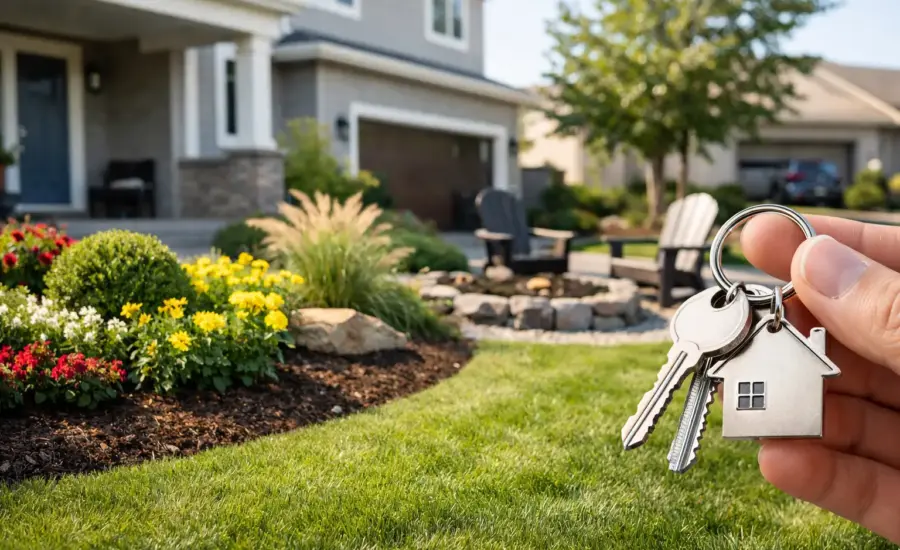
A bare, overgrown front yard can make a well-kept rental look neglected before a prospective tenant reaches the door. Landscaping for rental properties is not about building the most elaborate outdoor space on the block. It is about creating a clean, durable property that attracts qualified renters, supports consistent rent, and does not turn into a weekly maintenance problem.
For landlords and property managers, the best landscape choices usually have three things in common: they look good across seasons, tolerate occasional neglect, and have predictable service costs. The right plan depends on the property type, climate, tenant expectations, and whether landscaping is included in the lease.
Start With the Rental Property’s Job
A single-family home, duplex, apartment building, and commercial rental each need a different approach. A family-oriented house may benefit from a usable lawn and a simple backyard sitting area. A small multifamily property may get more value from clear walkways, trimmed shrubs, lighting, and tidy shared spaces. Commercial tenants often care most about safe access, visibility, and a professional first impression.
Before selecting plants or calling a landscaping company, identify what the exterior needs to accomplish. Is the property competing for long-term tenants? Is turnover frequent? Is curb appeal holding back showings? Are maintenance calls piling up because trees, drainage, or walkways have been ignored?
A landscape plan should solve those practical problems first. Decorative features can come later if the expected return supports the cost.
Prioritize Curb Appeal Where Renters Notice It
The front entry, driveway, mailbox area, and route from parking to the door deserve the most attention. These are the spaces tenants, visitors, delivery drivers, and maintenance crews see most often. A tidy entrance signals that the property is managed and cared for.
Fresh mulch, edged planting beds, pruned shrubs, healthy grass, and visible house numbers can make a major difference without requiring a full redesign. In areas with dry summers, including Spokane and much of the Inland Northwest, drought-tolerant plants and efficient irrigation may be a better investment than a lawn that needs constant watering.
Do not overlook hardscape. Cracked steps, uneven pavers, loose railings, and poor drainage can make a property look dated while also creating safety concerns. Repairing these items often delivers more value than adding another row of flowers.
Keep Design Choices Simple and Durable
Rental landscaping should be easy to understand and easy to maintain. Choose plants that suit the local climate, mature at a manageable size, and do not need specialized care. Native or regionally adapted plants are often a practical choice because they generally need less water and recover better from normal weather changes.
Avoid plantings that create recurring work. Fast-growing hedges, messy fruit trees, invasive species, and delicate annual displays can become expensive quickly. A landscape may look impressive on installation day but lose value if it requires frequent pruning, seasonal replacement, or tenant reminders.
That does not mean every rental should look identical. A few well-placed flowering perennials, ornamental grasses, or small evergreen shrubs can give a property character. The key is to use them as accents, not as a maintenance commitment.
Decide Who Handles Routine Yard Care
One of the most important decisions in landscaping for rental properties is responsibility. The lease should clearly state whether the owner, property manager, or tenant handles mowing, watering, leaf removal, snow removal, and basic cleanup.
For a single-family rental with a yard, assigning basic mowing and watering to the tenant can reduce expenses. It can also work well when tenants want outdoor space and plan to stay longer. The trade-off is consistency. Some tenants will keep the yard in good shape, while others may not have the time, equipment, or interest.
Owner-provided service creates a more consistent appearance and helps protect landscaping investments. It is especially useful for multifamily properties, higher-rent homes, properties with shared outdoor areas, and rentals where exterior appearance affects neighboring units. The added monthly cost may be worthwhile if it reduces complaints, protects curb appeal, and shortens vacancy periods.
Whatever arrangement you choose, be specific. “Tenant maintains yard” is vague. Define expectations for grass height, weeds, watering limits, pet waste, leaves, and notice requirements for damaged irrigation or fallen branches. If professional service is included, let tenants know what the crew will and will not handle.
Build a Budget Around Preventive Work
Landscaping costs are easier to manage when routine work is planned instead of delayed. Waiting until shrubs block windows, gutters overflow, or irrigation leaks can turn a modest service visit into a larger repair.
A practical annual budget usually includes routine mowing or cleanup, seasonal pruning, mulch or gravel refreshes, irrigation inspection, tree care when needed, and a reserve for storm damage or drainage repairs. The exact amount varies by lot size and region, but owners should consider landscaping part of the property’s operating cost, not an optional cosmetic extra.
Spend first on work that prevents property damage or liability. Tree trimming near roofs and power lines, drainage corrections, snow and ice management, and walkway repairs deserve priority over decorative upgrades. Once the basics are covered, use available funds to improve the areas prospective renters see during a showing.
Watch Water Use and Irrigation Closely
A neglected irrigation system can waste water, flood planting beds, damage foundations, and create tenant frustration. Inspect sprinkler heads, timers, valves, and drip lines before the main growing season. Make sure heads are not spraying sidewalks, siding, or parked cars.
Drip irrigation and smart timers can reduce waste in planting beds, but they still need periodic checks. If tenants control watering, provide simple instructions and clarify whether they are responsible for unusual utility charges caused by overwatering.
For properties in places with winter freezes, irrigation winterization and spring startup should be scheduled services. Skipping either can lead to damaged lines and avoidable repair bills.
Improve Safety, Access, and Privacy
Outdoor maintenance is also a safety issue. Keep walkways clear, trim branches away from roofs and windows, remove dead limbs, and make sure exterior lighting reaches entrances, parking areas, and trash locations. These details can reduce hazards while helping tenants feel more secure.
Privacy can raise the appeal of a rental, particularly for ground-floor units and closely spaced homes. Fencing, well-positioned shrubs, trellises, or screening plants may help, but consider long-term upkeep before installation. A fence is often more predictable than a dense hedge that will need regular shaping.
Drainage deserves the same attention. Standing water, muddy entry paths, and downspouts that empty near foundations can affect both tenant experience and building condition. A local landscaping or drainage professional can identify whether regrading, extensions, gravel, or a different planting layout is the right fix.
Hire Local Landscaping Help With Clear Scope
The lowest bid is not always the lowest cost. A provider that misses visits, leaves debris behind, or cannot handle seasonal needs may create more work for a property manager. Look for a local company with experience serving rentals or commercial properties, reliable communication, appropriate insurance, and a clear service agreement.
Ask what is included in each visit, how weather delays are handled, whether disposal is included, and how the company reports problems such as dead trees, irrigation leaks, or tenant-obstructed access. Photos after major cleanups can be useful for remote owners and for documenting property condition between tenancies.
When comparing nearby providers, use a location-based directory such as Bizbook to narrow the search by service category and area. A local match matters because growing conditions, seasonal schedules, and municipal requirements can vary significantly from one market to the next.
Make Turnover Landscaping Fast and Repeatable
Vacancy is the best time to reset an outdoor area. Add landscaping review to every turnover checklist: mow and edge, remove weeds, trim overgrowth, inspect irrigation, clear gutters and drains, refresh mulch where needed, and check exterior lighting. This work should happen before listing photos and showings, not after an applicant has already formed an opinion.
Keep a simple property record with plant types, irrigation zones, service dates, and recurring issues. That record makes it easier to get accurate quotes, switch providers if needed, and avoid replacing healthy plants simply because no one knows what they are.
A rental exterior does not need to be elaborate to do its job well. It needs to look cared for, stay safe, and fit a maintenance plan that holds up after the lease is signed. Start with the entry, fix the recurring problems, and choose improvements that a local crew can maintain without constant oversight.